Why linen works in Gulf heat
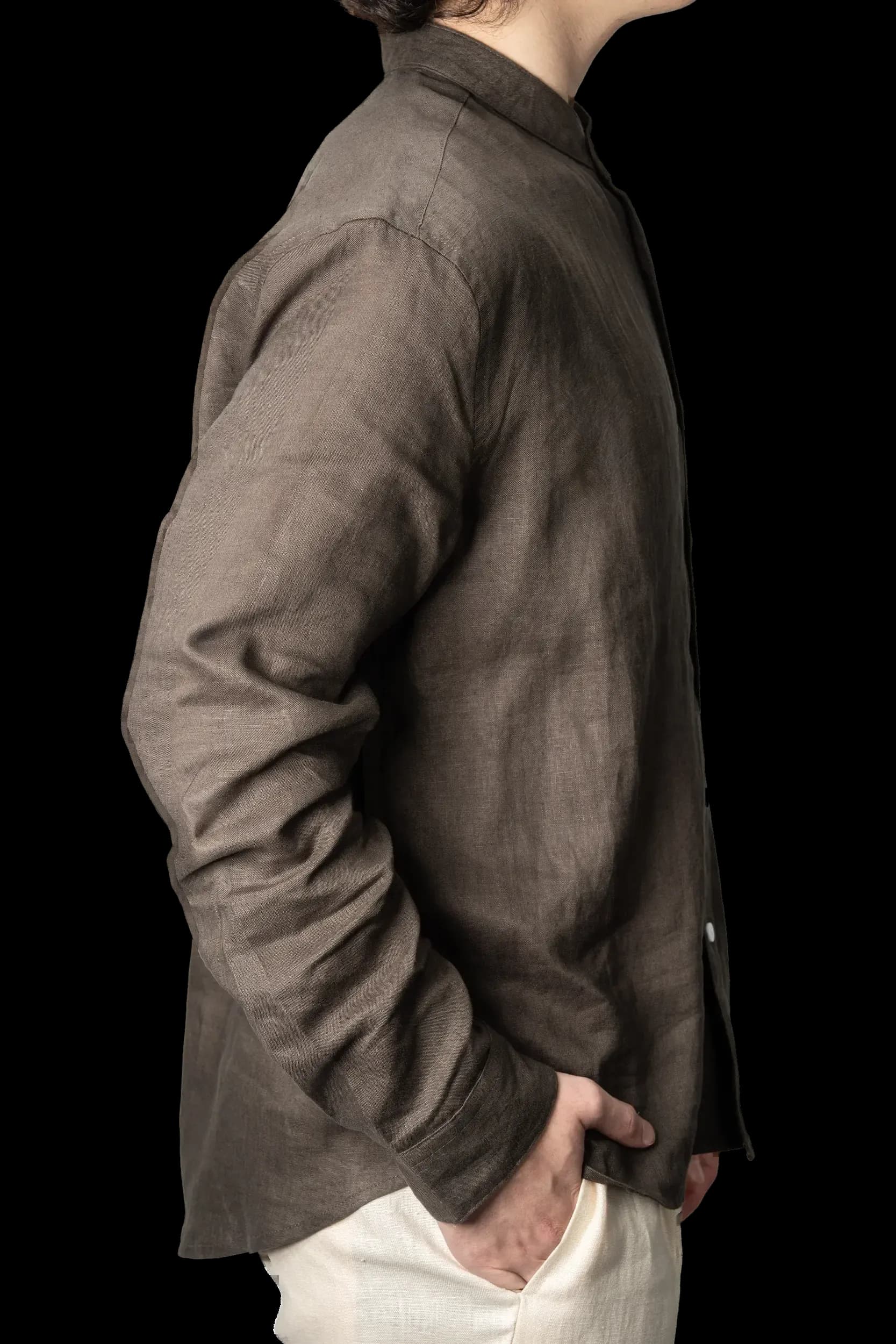
There is a reason the same cloth has been worn across this part of the world for several thousand years, and it is not tradition. It is physics.
An open weave moves air
Linen is spun from flax, and flax fibre is hollow and comparatively stiff. Woven loosely, it holds its own shape rather than collapsing against the skin — so between you and the cloth there is a thin, constantly moving layer of air. Cotton, softer and finer, does the opposite: it drapes, it clings where you are damp, and it keeps the heat exactly where you least want it.
That gap is the whole trick. It is also why a linen shirt feels cooler standing still in shade than a cotton one does, before sweat enters into it at all.
It moves water, then gives it up
Flax absorbs a surprising amount of moisture — up to around a fifth of its own weight — without feeling wet to the touch. More usefully, it releases that moisture into the air quickly. A cotton shirt in August holds what it has taken and stays heavy for the rest of the afternoon. Linen has usually dried while you were still wearing it.
Lightweight cloth with an open weave that moves air rather than trapping it.
The creases are the point
Linen creases because the fibre is stiff, and the stiffness is what holds the weave open. A linen that does not crease has been treated until it stops behaving like linen. The collection is cut with that in mind — a relaxed line that reads as intended rather than as unpressed.
If you want it sharper, press it damp on a hot iron. If you want it softer, wash it and hang it. It improves either way; linen is one of the few cloths that is genuinely better in its second year than its first.
Living with it
- Wash cool, at thirty degrees. Hot water shrinks flax and dulls the colour.
- Skip the dryer. Hang it damp and the weight of the water pulls most of the creasing out on its own.
- Give it room in the wardrobe. Linen packed tight creases along the fold, and those lines are the stubborn ones.
- Do not starch it. It stiffens the fibre further and the cloth loses the drape it is bought for.
What we cut it into
Four pieces: a shirt, a polo, trousers and shorts, in a palette that holds up to strong daylight — olive, navy, beige and off-white. Nothing in the collection is loud, because at forty degrees nobody wants to be. They are cut to be worn together or apart, and to be worn often.
Sizes run M to XXL, and delivery is across the Emirates.